20+


Colombia · Canada
Enterprise experience, adapted to your business reality
We work with businesses in Colombia, combining direct knowledge of the local market with delivery practices informed by Canadian enterprise environments. The result is modern, realistic, and sustainable technology for businesses that need to advance without taking on the complexity of a large corporation.
- Enterprise delivery discipline
- Adapted to the Colombian market
- Practical execution for growing businesses

Where to start
What is holding your business back?
You do not need to know which technology to buy. Start with what is not working, and we will help you identify what should be improved first.
Evidence
Experience to modernize with sound judgment
Approved metrics and trust signals that support disciplined delivery for businesses in Colombia.
3,000+
devices installed
230+
servers deployed
135+
networks implemented
- PMP, PMI-ACP and ITIL credentials within the team
- Experience assessing and implementing ISO 27001 controls
- Solutions adapted to Colombian SMEs
Operational outcomes
What changes when technology works for your business
The value is not in collecting tools. It is in restoring control, reducing friction, and sustaining growth.
More control
Clearer processes, ownership, and status tracking to reduce improvisation and manual follow-up.
Less repetitive work
Automation of tasks that consume time and create avoidable errors.
Better information
Connected and visible data that supports more confident decisions.
Greater continuity
More stable, secure, and scalable systems and infrastructure.
How we work
From operational gap to practical solution
We do not start by selling a tool. We start by understanding how your business operates and what should be improved first.
- 01
Assess
Understand current processes, systems, risks, and friction points.
- 02
Prioritize
Define which improvements create the most value and what should be resolved first.
- 03
Implement
Configure, develop, or integrate the right solution for the need.
- 04
Automate
Reduce manual tasks and connect information when it is useful and practical.
- 05
Sustain
Document, support, measure, and improve the solution over time.
Experience in Action
What we can build for your operations
Explore the types of problems we address, what we would examine, and the solutions we can build to improve your operations.
Examples are identified as illustrative or anonymized according to their source.
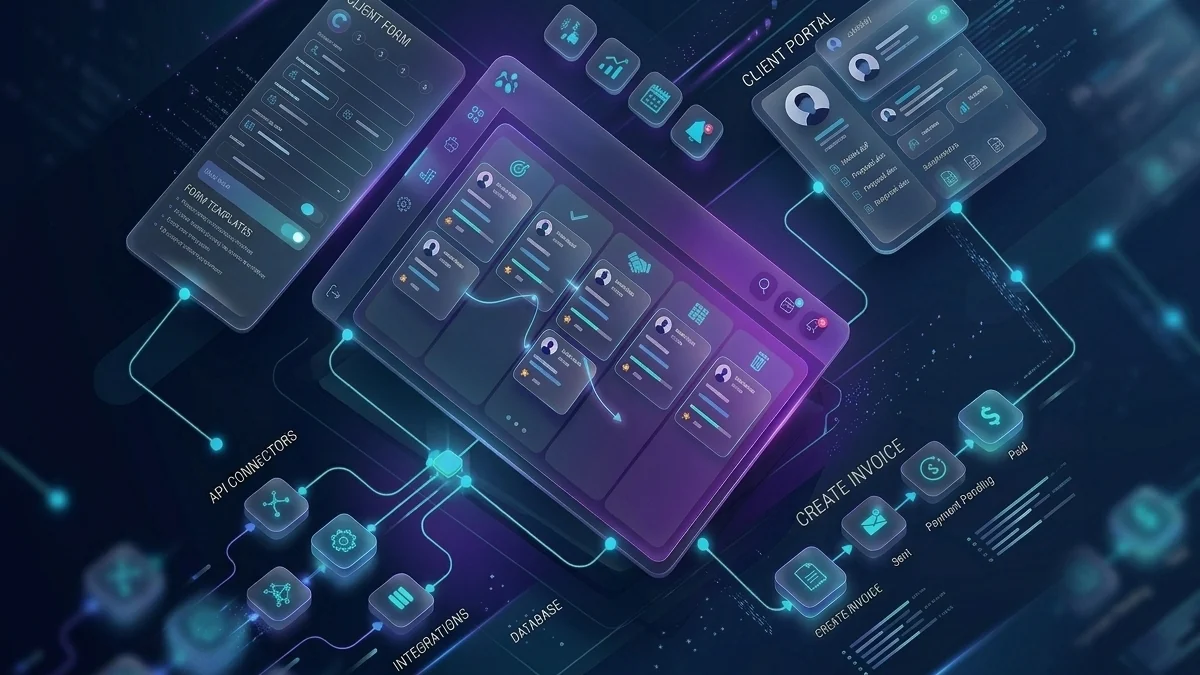
Illustrative example
Operations and customer systems
- Business problem
- Day-to-day operations and customer service depend on fragmented processes.
- What we would examine
- Operational flows, customer data, roles, and where control or time is lost.
- What we can build
- Operational systems, adapted CRM/ERP, portals, and flows that organize daily work.
- Representative deliverables
- Operations platforms for service teams
- Commercial and distribution systems adapted to operations
- Connected customer and operations information
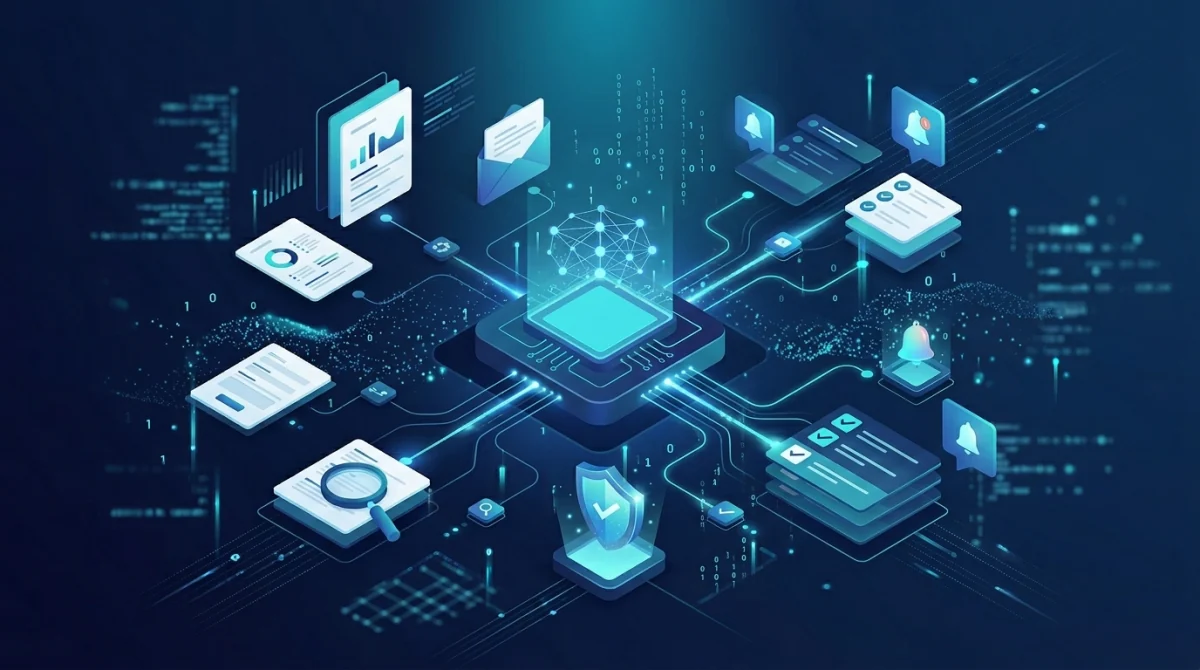
Illustrative example
Automation and artificial intelligence
- Business problem
- Repetitive tasks or slow decisions could be supported with practical automation.
- What we would examine
- Candidate processes, data quality, risks, and where automation creates real value.
- What we can build
- Automations, assistants, and AI-supported flows with human oversight.
- Representative deliverables
- Approval and notification automation
- Assisted extraction and classification of information
- Low-code flows connected to existing systems
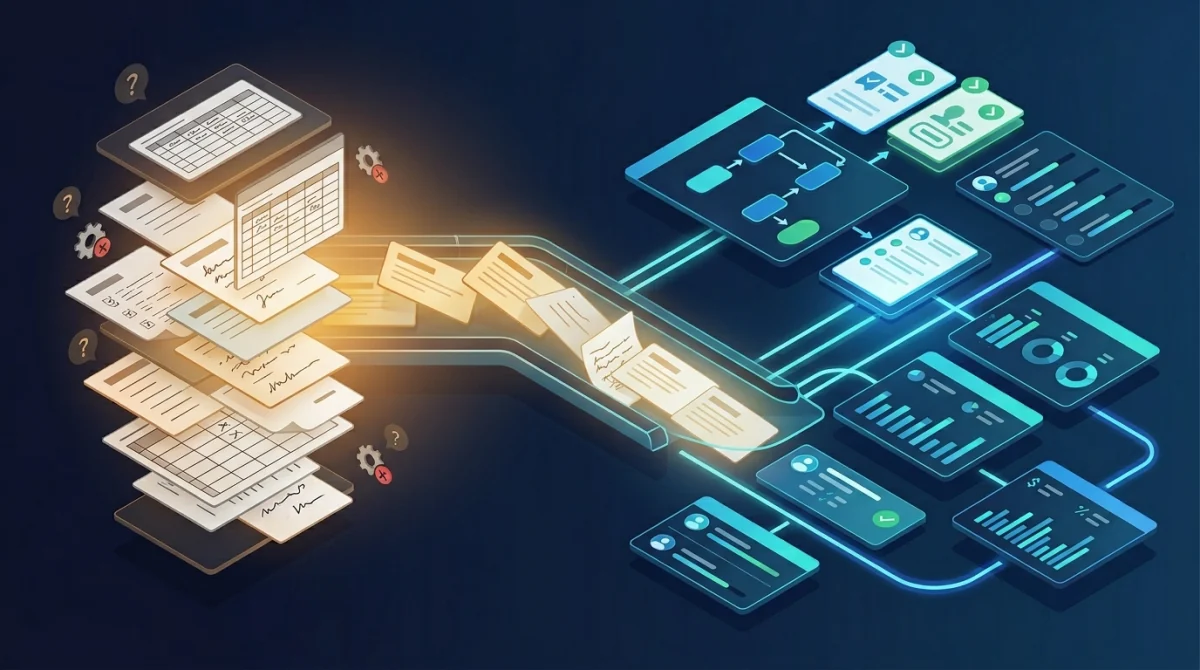
Illustrative example
Web applications, portals, and websites
- Business problem
- Digital presence or portals do not reflect operations or convert inquiries well.
- What we would examine
- User journeys, content, booking/contact paths, and internal operations integration.
- What we can build
- Sites, portals, and web applications oriented to conversion and operations.
- Representative deliverables
- Website and booking modernization patterns
- Portals for customers or internal teams
- Connected digital forms and flows
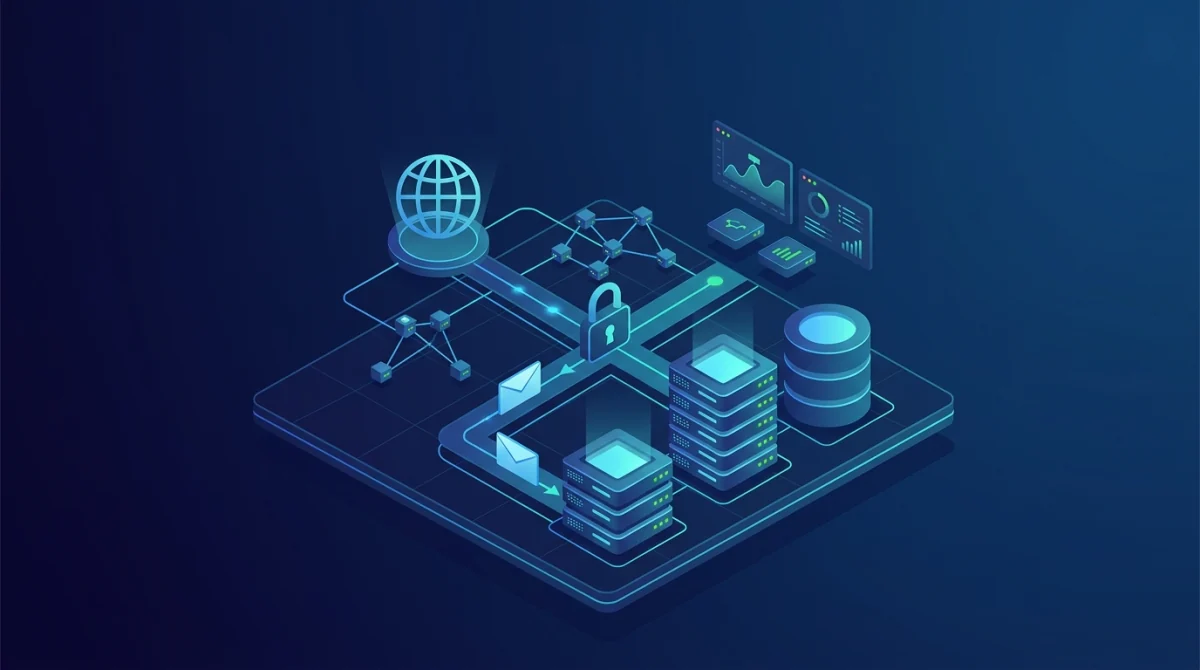
Illustrative example
Infrastructure, cloud, and communications
- Business problem
- Infrastructure is unstable, hard to operate, or poorly prepared to grow.
- What we would examine
- Servers, cloud, networks, access, DNS, email, and operational continuity.
- What we can build
- More stable, secure, and operable environments in cloud or hybrid infrastructure.
- Representative deliverables
- Servers, hosting, DNS, and business email
- Cloud migration and operations
- Networks, VPN, and communications
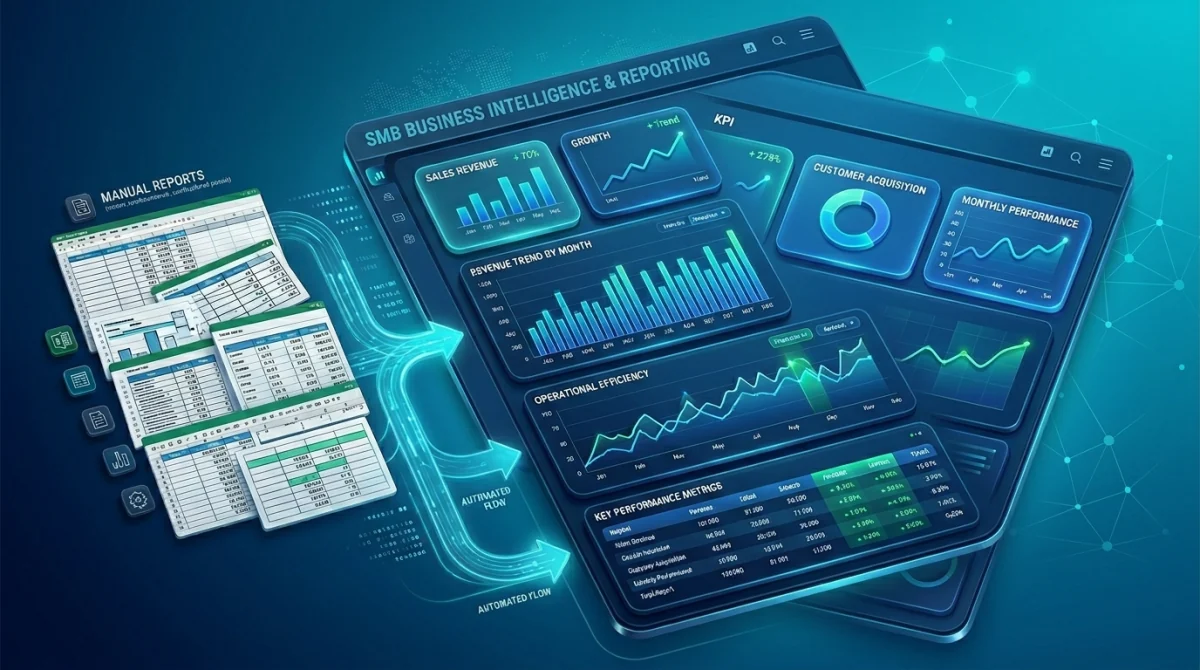
Illustrative example
Data, dashboards, and reporting
- Business problem
- Decisions are made without a reliable view of the operation.
- What we would examine
- Data sources, critical indicators, and where information breaks down.
- What we can build
- Dashboards, reports, and actionable indicators connected to real operations.
- Representative deliverables
- Operational and management dashboards
- Automated reports
- Indicators with clear ownership
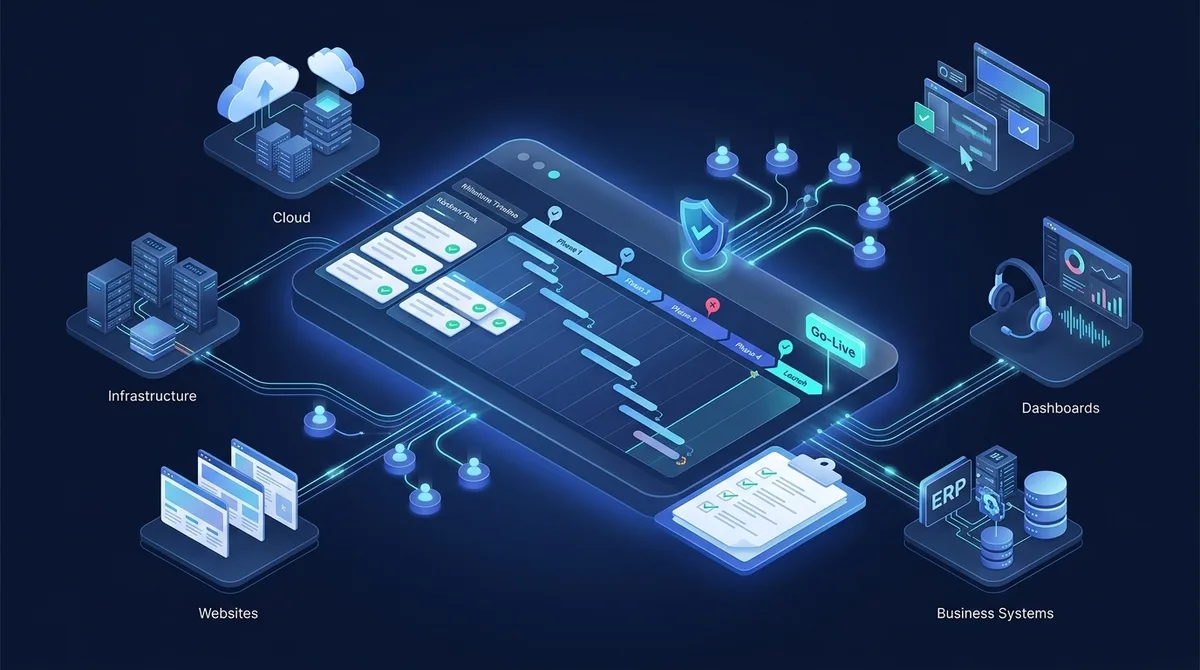
Illustrative example
Technology project delivery
- Business problem
- Technology projects stall, lose focus, or never leave an operable result.
- What we would examine
- Scope, blockers, vendors, risks, and real execution capacity.
- What we can build
- Delivery plans, coordination, and go-live support with clear ownership.
- Representative deliverables
- Scope, milestone, and risk governance
- Vendor and team coordination
- Go-live and stabilization support
Services
How we can modernize your operations
We organize our capabilities around the business problems you need to solve, not around a list of technology products.
Technology diagnosis and modernization
It is unclear what should be modernized first or what impact it would have.
Assess current operations, prioritize gaps, and define an executable modernization path.
- Assess current operations and prioritize gaps
- Define an executable modernization path
What this family covers
- Digital transformation
- IT education and training
Process automation and artificial intelligence
The team loses time on repetitive tasks or slow decisions.
Reduce manual work and improve decisions with automation, AI, and low-code platforms.
- Reduce manual work with automation and AI
- Connect data and workflows across existing systems
What this family covers
- Artificial intelligence
- Low-code automation
Enterprise systems, CRM, ERP, and portals
Business information and processes are not connected.
Design and implement CRM, ERP systems, portals, and operational applications that connect customers, processes, information, and documents.
- Design CRM, ERP, portals, and operational applications
- Connect customers, operations, and documents in a usable system
What this family covers
- CRM
- ERP
- Portals
- Business applications
Web development, applications, and digital experiences
Your digital presence does not support operations or convert inquiries.
Build sites, applications, and digital flows with DevOps and MLOps practices.
- Build sites, applications, and digital flows
- Apply DevOps and MLOps practices
What this family covers
- Websites and applications
- DevOps and MLOps
Data, dashboards, and Business Intelligence
Reliable indicators for confident decisions are missing.
Turn operational data into actionable dashboards, reports, and KPIs.
- Turn operational data into dashboards and KPIs
- Deliver actionable reports for more confident decisions
What this family covers
- Business Intelligence
Infrastructure, cloud, networks, and communications
Infrastructure is not stable, secure, or easy to operate.
Design, migrate, and operate servers, networks, cloud, and business connectivity.
- Design, migrate, and operate servers, networks, and cloud
- Improve stability, access, and business connectivity
What this family covers
- Servers and virtualization
- Networks and connectivity
- Cloud services
- Remote work and remote solutions
Cybersecurity, continuity, and compliance
Access, continuity, or control risks are hard to manage or demonstrate.
Protect operations, demonstrate controls, and sustain business continuity.
- Protect operations and demonstrate controls
- Sustain business continuity
What this family covers
- Cybersecurity
- Ethical hacking
- Governance and compliance
- Backup, recovery, and continuity
IT support and technology project delivery
Day-to-day IT or technology projects lack clear continuity and ownership.
Keep day-to-day operations running and deliver projects with operational discipline.
- Keep day-to-day operations running with IT support
- Deliver projects with operational discipline
What this family covers
- IT Support
- IT Management / ITSM
- IT Projects
Capability mapExplore all capabilities
Orquitech’s 21 capabilities are grouped within our service families to show in greater detail what we can address in each area.
Technology diagnosis and modernization
- Digital transformation
- IT education and training
Process automation and artificial intelligence
- IoT
- Artificial intelligence
- Blockchain
- Power Platform
Enterprise systems, CRM, ERP, and portals
- Azure and Microsoft 365
Web development, applications, and digital experiences
- Development, DevOps, and MLOps
Data, dashboards, and Business Intelligence
- Business Intelligence
Infrastructure, cloud, networks, and communications
- Servers and virtualization
- Networks and connectivity
- Cloud services
- Remote work and remote solutions
Cybersecurity, continuity, and compliance
- Cybersecurity
- Ethical hacking
- Governance and compliance
- Backup, recovery, and continuity
IT support and technology project delivery
- IT Support
- IT Services
- IT Management / ITSM
- IT Projects
Platforms
Technologies and platforms we work with
A sample of platforms we use, integrate, or operate according to each business need. A mark’s presence does not imply vendor partner status.
Business platforms, cloud, and infrastructure
 Microsoft Azure
 Microsoft 365
 Power Platform
 SharePoint
 Microsoft Teams
 Entra ID
 Cloudflare
- Windows Server
- Proxmox
- VMware
- Hyper-V
- AWS
Development, automation, data, and operations
 Vue
Vue Node.js
- Python
- Linux
 Docker
- Kubernetes
 GitHub
- GitLab
 Power BI
 Power Automate
 Power Apps
- Google Cloud
INDUSTRIES
Industries and businesses we can help modernize
We adapt technology to how each business operates, including its processes, team, and pace of growth.
Food and distribution
Orders, inventory, and operations that are hard to see in time.
- Inventory and order visibility
- Distribution workflows
- Operational systems and reporting
Beauty and wellness
Booking, follow-up, and daily control feel fragmented.
- Booking and customer management
- Follow-up automation
- Operational and financial visibility
Professional services
Clients, documents, and delivery live in scattered conversations.
- Client intake
- Document and workflow control
- Portals and reporting
Retail and commerce
Product, customer, and order information do not align across channels.
- Product, customer, and order information
- Digital experience
- Store and back-office integration
Property and building operations
Access, support, and coordination are handled reactively.
- Access, connectivity, surveillance, and support
- Project coordination
- Building and office technology
Small and growing businesses
BUSINESS PROFILE
The business is growing faster than its processes and systems.
- Process definition
- Connected systems
- Scalable infrastructure
TEAM EXPERIENCE
Credentials and experience that support delivery
Our team combines delivery experience, project management, service practices, and control knowledge to support technology initiatives with greater discipline.
PMP
Project Management Professional (PMP).

ITIL Foundation
ITIL Foundation credential.
PMI-ACP
PMI Agile Certified Practitioner (PMI-ACP).

Microsoft Certified
Microsoft credentials.

Six Sigma
Lean Six Sigma Black Belt credential.

ISO 27001
ISO 27001 credential.
CLIENTS
Organizations that have trusted our work
Relationships built through ongoing support, modernization, development, and automation.





REAL CLIENT EXPERIENCES
Results built with our clients

Comestibles a la Lata
Context
A food and distribution operation that needs technology continuity while its systems and processes continue to evolve.
How we helped
Orquitech supports the operation through ongoing IT support, infrastructure, cloud services, and enterprise-system implementation and integration work.
IT SupportServers and virtualizationCloud servicesERP and business systems
Greater support continuity and a more integrated technology foundation for operations.

Proyectos y Diseños S.A.S.
Context
Administrative and financial processes with a high volume of documents and manual follow-up.
How we helped
We developed a web application for managing billing requests and automated the intake, reading, classification, and organization of electronic invoices received through DIAN.
Business applicationsLow-code automationWorkflows and documents
Less manual processing and better traceability across billing requests and electronic invoices.
Sintrapositiva
Context
A union organization that needed a clear, modern, and manageable institutional digital presence.
How we helped
Orquitech designed, developed, and published its institutional website, creating a clear digital foundation for communicating information and services to its members.
Websites and applications
A published and maintainable institutional digital presence.

CuencaVerde
Context
An environmental organization that needed to modernize and sustain a technology environment spanning multiple platforms and services.
How we helped
Orquitech supported the modernization and continuity of its technology environment through web, cloud, migration, and collaboration-platform work.
Cloud servicesWebsites and applicationsIT Management / ITSM
Greater technology continuity and a more structured transition across platforms and services.
FAQ
Frequently asked questions
Clear answers to help you understand how we would begin modernizing your operation.
What does technology modernization mean for a business?
It means understanding how the business operates today, finding where time, information, control, customers, or money are being lost, and improving those points with practical technology. It is not buying tools for fashion. It is connecting processes, data, and systems so the team works with more clarity. Scope is defined after understanding the real operation and priorities.
How does Orquitech identify what should be improved first?
We start from the business problem and the real path of work: where friction, rework, incomplete information, or blind decisions appear. Then we prioritize improvements that reduce operational loss without reinventing everything at once. That way you know what to tackle first and what can wait before investing in tools.
Do we need to replace all of our current systems?
Not necessarily. Many businesses need to stabilize, integrate, or improve what they already use. We recommend replacement only when the current system clearly limits operations or continuity. The decision depends on the assessment, the cost of keeping what exists, and the value of changing in stages.
Can Orquitech integrate the tools our business already uses?
Yes, when integration creates operational value. We review which tools are critical, where information is duplicated, and which connections reduce manual work. Sometimes connecting key systems is enough; sometimes the set should be simplified. The plan follows your processes rather than a fixed catalogue.
What types of processes can be automated?
Repetitive tasks with clear rules are often good candidates: approvals, customer follow-up, reports, alerts, data entry, or handoffs between teams. First we confirm the process is defined enough. If it is still chaotic, organizing it may be the first step. Useful automation reduces friction; it does not replace business judgment.
How do we know whether our business is ready to use artificial intelligence?
Readiness depends on having a concrete problem, reasonably reliable data or workflows, and a practical use the team can adopt. We start with bounded cases — such as support assistance, classification, or operational help — instead of abstract projects. If the information foundation is still weak, we strengthen that first.
Does Orquitech implement CRM, ERP, portals, and business systems?
Yes. We help select, implement, or improve systems that organize customers, operations, documents, and business visibility. That can include CRM, ERP, portals, or tailored workflows, depending on need. We do not force one mandatory platform. The system should serve the operation, not the other way around.
Does Orquitech also build websites, applications, and digital experiences?
Yes. We build websites, applications, and digital experiences when they help attract customers, inform, sell, or connect operations with the digital channel. The focus is practical: clarity, usefulness, and continuity with business systems. Scope is defined by the commercial goal and the current state of your digital presence.
View more questions
Can Orquitech improve our cloud, servers, networks, and communications?
Yes. We work on infrastructure, cloud, servers, networks, and communications to improve stability, secure access, and continuity. That may include reviewing current environments, staged improvements, or support for daily operations. The priority is usually to stabilize what is critical before expanding new capabilities.
How does Orquitech approach cybersecurity, continuity, and controls?
We start from practical risks: access, backups, continuity, information exposure, and controls the business can sustain. We help strengthen essentials and, when relevant, assess or implement controls aligned with good practices such as ISO 27001. We do not promise automatic certification or absolute security. We do provide a disciplined, realistic path.
How is a technology project organized, and how long can it take?
We organize work in phases: understand the operation, define priorities, implement, and leave delivered work documented. Duration depends on scope, complexity, and the client team's availability. That is why we do not publish universal timelines. In the initial conversation we clarify what can be addressed first and what should wait for a following phase.
Does Orquitech work on-site in Bogotá and remotely across Colombia?
Yes. We combine remote work with Bogotá presence when operations require it, for example for infrastructure reviews, discovery, or on-site support. For many initiatives remote delivery is enough. The delivery mode is defined by the type of project and the team's real need.
How does an initial conversation with Orquitech begin?
Through WhatsApp, phone, or email. Tell us what you want to improve, what hurts in operations today, and any useful context about systems or processes. With that we guide the next step — assessment, prioritization, or a concrete review — without a public lead-capture form.
What does a technology modernization assessment include?
An assessment reviews how the business operates today: processes, systems, data, risks, and friction points. The outcome is not a product catalogue. It is a prioritized reading of what should improve first and why. It helps you decide with judgment before investing in tools, automation, or platform changes.
Does Orquitech work with SMEs and growing businesses in Colombia?
Yes. The work is designed for companies that already operate and need more order, continuity, and visibility, not only for corporations with open budgets. We support SMEs and growing teams when there is a concrete problem and a willingness to implement in stages. Scope follows the real operation, not a generic package.
What is the difference between digital transformation and technology modernization?
In practice, modernization means improving operations with useful technology: processes, systems, data, infrastructure, and controls. “Digital transformation” is sometimes used as a broad label. We treat it as the result of concrete, sustainable changes. If the team cannot operate what is new, there is no real modernization.
Can you help if our business information is scattered or duplicated?
Yes. It is a common case: files, spreadsheets, email, and systems that do not agree. We review where critical information is created, where it is copied, and which source should be the reference. Then we define how to concentrate, connect, or simplify so the team can trust the data it uses.
What is a CRM, and when does a business need one?
A CRM organizes customer relationships: contacts, follow-up, quotes, and often the commercial pipeline. It makes sense when the team loses opportunities, depends on one person, or cannot see the real status of each conversation. You do not always need the largest system. Sometimes implementing the right fit for the size of the operation is enough.
What is an ERP, and how is it different from a CRM?
An ERP organizes internal operations: inventory, purchasing, invoicing, costs, or cross-team processes. A CRM focuses on customers and commercial work. Many businesses need both, or an integration between them, when sales do not connect to delivery. We help decide which should come first based on the real bottleneck.
Do you implement internal or external portals for teams and customers?
Yes, when a portal reduces friction: repeated inquiries, scattered documents, request status, or access to information that today lives in email. It can be internal for the team or external for customers and partners. Design starts from the real usage flow, not from a decorative template.
Do you build custom business applications?
Yes, when existing tools do not cover a critical flow or create constant rework. Before building, we confirm there is not a reasonable tool that can be configured or integrated. If development proceeds, we bound it to an operable problem, with continuity and clear business owners.
Can you automate approvals and document management?
Yes. Approvals, intake, file versions, and handoffs between teams often create delay and loss of control. First we clarify rules, owners, and exceptions. Then we automate what is repeatable. If the process is still undefined, organizing it is part of the work, not an optional extra.
Do you work with Microsoft Power Platform, Azure, and Microsoft 365?
Yes, when those platforms are already in the company or are the most practical path for the case. Power Platform can accelerate internal flows and apps; Azure and Microsoft 365 cover cloud, identity, and collaborative work. We do not impose them if another existing foundation solves the problem better. The decision follows the assessment.
What is Business Intelligence, and how does it help decisions?
Business Intelligence connects operational data to show useful indicators: sales, service, costs, inventory, or compliance. It helps when reports arrive late, do not match, or depend on one person. The value is not a pretty dashboard. It is a view the business can use repeatedly to decide.
Can you build dashboards and reports if our data is not clean yet?
Yes, but with honesty about the starting point. If sources are incomplete or contradictory, metrics, owners, and a minimum quality bar must be defined first. A dashboard on weak data only speeds up confusion. That is why we combine information order with the indicator view, in a sequence the business can sustain.
Do you offer IT support and day-to-day accompaniment?
Yes. Support covers operational continuity: incidents, access, devices, environments, and coordination when something stops working. It also helps improvements not become orphaned after a project. The model is defined by criticality, hours, and what the internal team already covers.
What is ITSM, and why does it matter for an SME?
ITSM is how technology services are managed: requests, incidents, changes, and ownership. In an SME it prevents everything from depending on informal chat or one person. It does not require a huge system. It requires clear rules, enough records, and a flow the team can actually follow.
Can you help deliver IT projects that stalled halfway?
Yes. We review the real status, what already works, the blockers, and what can be recovered with a closed scope. Then we reorganize priorities, owners, and operable deliverables. We do not promise to rescue every initiative. We do provide an honest reading of what should continue, be cut, or be rebuilt.
Do you work with servers, virtualization, and cloud services?
Yes. We review physical or virtual servers, current environments, and cloud options based on continuity, cost, and operations. Sometimes it is better to optimize what exists; sometimes a staged migration is better. The priority is stability and controlled access, not moving everything to the cloud for fashion.
Can you improve company networks, connectivity, and communications?
Yes. Unstable networks, saturated Wi-Fi, weak segmentation, or unreliable communications affect operations and security. We evaluate the environment, failure points, and what can improve without stopping the business. The plan may include targeted fixes or a phased redesign.
Do you help with remote work and secure remote access?
Yes. Useful remote work needs stable access, clear identity, and controls that do not depend on shared passwords. We review how the team connects, what information is exposed, and what can be strengthened without slowing operations. The goal is continuity, not an improvised setup.
What do backup, recovery, and business continuity cover?
They cover the ability to recover information and operations after a failure, human error, or incident. “Having copies” is not enough. You need to know what is backed up, how often, where it lives, and how it is restored. We help define what is critical and leave a scheme the team can test and sustain.
Does Orquitech hold an ISO 27001 company certificate?
No. We do not present Orquitech as holding an ISO 27001 company certificate. We do have experience assessing and implementing controls aligned with that standard when the business needs it. An initial review can surface practical risks in access, continuity, and information. An organization seeking its own certificate follows a separate process that is not promised here.
Do you perform ethical hacking or security testing?
We can support exposure assessments and controlled tests when there is a clear scope, authorization, and a practical use for the result. It is not about “hacking to impress.” It is about finding weaknesses the business can fix. The type of test is defined after understanding systems, data, and risk.
Can you support governance, compliance, and documented controls?
Yes, when the business needs to show who has access, how a system is changed, or how information is protected. That can include operable policies, records, roles, and controls the team will actually use. We avoid documents nobody sustains. Scope follows risk and current maturity.
Do you implement artificial intelligence in real business processes?
Yes, when there is a bounded case: classifying requests, supporting service, summarizing information, or assisting a defined flow. AI does not replace a chaotic process or unreliable data. First we confirm the problem, the quality of the foundation, and how the team will use the result. Then we implement with clear limits.
Do you work with Internet of Things (IoT) in operations?
When there is a clear operational case — monitoring, alerts, or capturing field data — we can evaluate sensors, connectivity, and integration with business systems. IoT is not offered as a generic catalogue. It makes sense if it reduces operational blindness and the team can act on the resulting information.
Do you develop with DevOps or MLOps practices?
Yes, when software or models need repeatable delivery, controlled environments, and fewer surprises when publishing changes. DevOps and MLOps are not a badge. They are discipline in build, test, and operations. The level of formality matches the size of the system and the risk of failing in production.
Which sectors can you help modernize?
We work with food and distribution, beauty and wellness, professional services, retail and commerce, and building operations, plus growing SMEs with mixed processes. We do not use a closed sector list as a credential. If your operation has technology friction, we talk to see whether the case fits.
Does Orquitech operate between Colombia and Canada?
Yes. Delivery combines close execution in Colombia — with conversation and Bogotá presence when needed — and a delivery standard aligned with experience working between Colombia and Canada. That does not mean every project is binational. It means clarity, documentation, and continuity do not drop because the work is local.
Do you have an office in Bogotá, and how do we contact you?
Yes. We serve from Bogotá and also remotely across Colombia. You can write on WhatsApp, call 322 810 0001, or email info@orqui.tech. The initial conversation does not use a public form. Describing the problem and the context of your operation is enough.
How much does it cost to modernize or implement a system with Orquitech?
We do not publish universal rates because cost depends on scope, current state, and what the internal team can absorb. In the first conversation we bound the problem and what can be estimated seriously. We avoid selling a closed package before understanding the operation. If the case is not a fit, we say so.
Do we need an internal technology team to work with you?
A large IT department is not required. You do need a business counterpart who understands operations and can validate priorities. In smaller companies we often complement support and execution. Where internal IT exists, we coordinate so we do not duplicate or fight what already works.
Do you provide training so the team can use what was implemented?
Yes, when it is part of leaving the work operable. Useful training explains the real flow, owners, and what to do when something fails, not only a tour of screens. Scope is defined with the project. Without adoption, the tool does not modernize the company.
What technologies do you use besides Microsoft?
The stack follows the problem and what the company already has. It can include cloud, networks, automation, data, web development, and business systems, not a single vendor. The site shows a technology ecosystem we work with when it adds value. We do not sell tools from a catalogue or claim vendor alliances that are not evidenced.
Can you review cybersecurity without stopping operations?
Yes. Reviews are planned so they do not take down the workday: first what is critical and observable, then controls the team can sustain. If there is an urgent access or continuity risk, that comes first. The rest is staged so security does not become an endless, inoperable project.
What happens after the first WhatsApp conversation?
We clarify the problem, the context, and whether there is a useful next step: a focused review, an assessment, or a more technical conversation. There is no automatic funnel and no capture form. If the case is not a fit for Orquitech, we say so. The goal is to orient, not to inflate expectations.
Where can I see work examples and services in more detail?
Work shows examples and experience lanes. Services covers the commercial paths — diagnosis, automation and AI, enterprise systems, digital development, data, infrastructure, cybersecurity, and support — with their own routes. Industries and Locations explain sector fit and coverage in Colombia, starting with Bogotá.
Contact
Contact us
Reach our team on the channel you prefer. Tell us what you want to improve and we will guide the next step.
Message us directly to discuss your requirement or project.
Open WhatsAppPhone
Call our team during regular business hours.
+57 322 810 0001
Call nowSend us the details of your question or project.
info@orqui.tech
Send emailBogotá office
Carrera 62 #98B-22, Office 302A, Bogotá, Colombia
Get directionsCarrera 62 #98B-22, Office 302A, Bogotá, Colombia